Annual Review of Biomedical Engineering , 16 , 321346

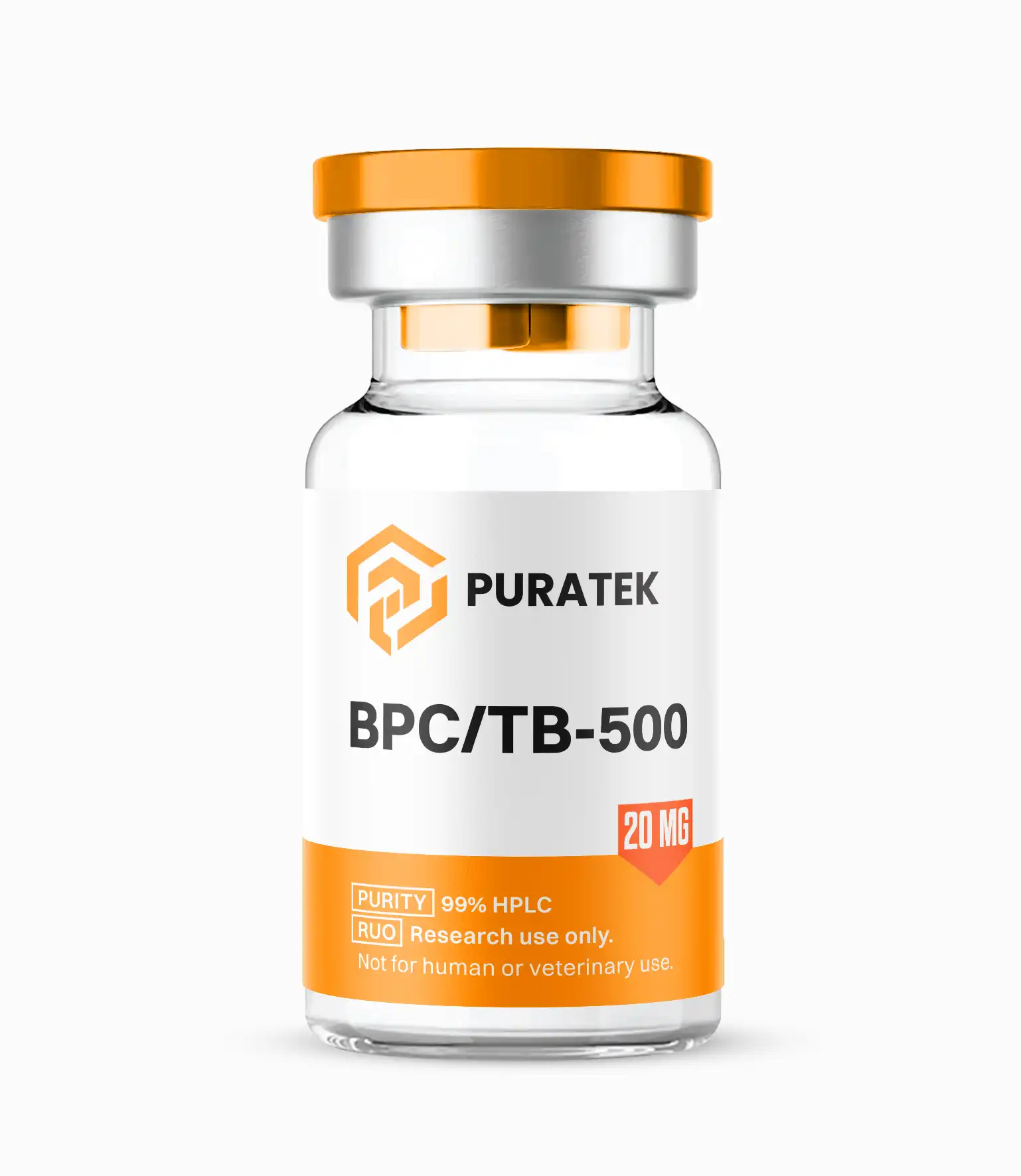
Introduction We suggest that abdominal compartment syndrome ( The stable gastric pentadecapeptide BPC 157 was chosen and tested in this study due to its beneficial effects in major vessel occlusion syndromes ( To fully model intra-abdominal hypertension syndrome (continuous intraperitoneal insufflation of ordinary air), these occlusion syndromes have been induced peripherally ( Considering the effects of BPC 157 therapy peripherally and centrally ( Furthermore, as an immediate effect, the abdominal, thoracic, and cranial cavities interact with each other ( Thus, it may be that maintained increased intra-abdominal pressure causes widespread dysfunction, which would be similar to the severe syndromes observed in rats with the occlusion of peripheral vessels ( The many blood vessels identified as being activated by specific pathways following a given vessel injury require a regularly applicable therapy, with beneficial effects dependent on, but not limited to, occlusion of a particular vessel ( BPC 157s endothelial effects and its function as a bypassing key ( Thus, we assessed BPC 157 therapy as a curative principle in rats with established permanent intra-abdominal hypertension
The acute vs
Adipose tissue serves as a reservoir for recrudescent Rickettsia prowazekii infection in a mouse model
Key structural characteristics include: The peptide exhibits remarkable stability compared to many bioactive peptides, remaining active in gastric acid conditions and showing resistance to enzymatic degradation, making it suitable for diverse experimental applications